CAMBRIDGE & WAIPĀ: WHERE OUR STORY BEGAN
Long before Cambridge became known as the Home of Champions, it was a place of strategic importance, rich Māori heritage, and pioneering spirit.
Nestled beside the Waipā River, Cambridge sits at the heart of the fertile Waikato basin — land that has sustained communities for generations. The river was once a vital transport route for Māori, who established pā sites throughout the region. The name Waipā itself reflects this deep connection to water and place.
From Military Settlement to Thriving Town
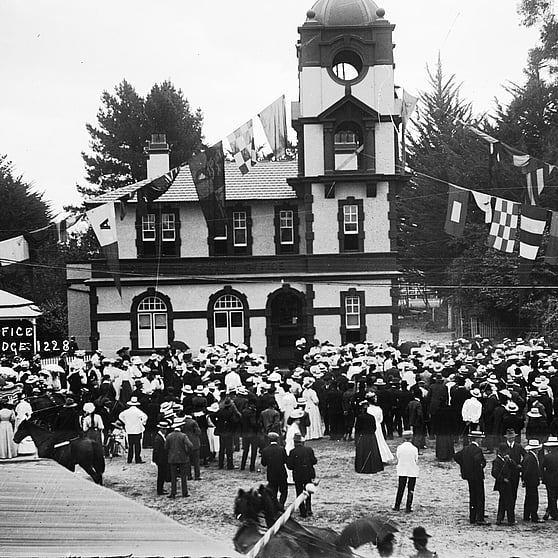
Cambridge was founded in 1864 as a military settlement during the New Zealand Wars. Soldiers of the 3rd Waikato Militia were granted land here, shaping the town’s early European history. Named after the Duke of Cambridge, the settlement gradually evolved from a frontier outpost to a prosperous agricultural hub.
The district’s rich soils quickly proved ideal for dairy farming and, later, for thoroughbred breeding — laying the foundations for the equine excellence that would define Cambridge internationally.
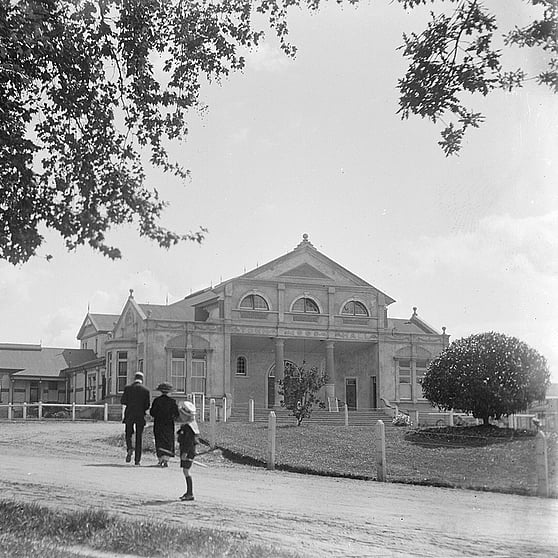
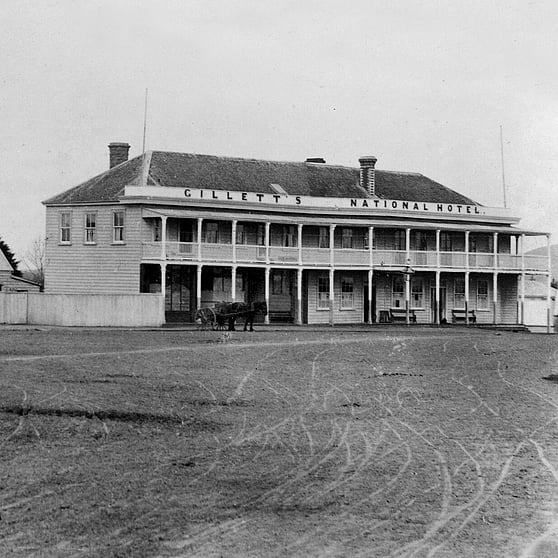
By the late 19th and early 20th centuries, Victoria Street had become the bustling heart of town, lined with heritage buildings that still contribute to Cambridge’s distinctive charm today.
Discover the Story at the Cambridge Museum
To truly understand Cambridge and Waipā, a visit to the Cambridge Museum is essential.
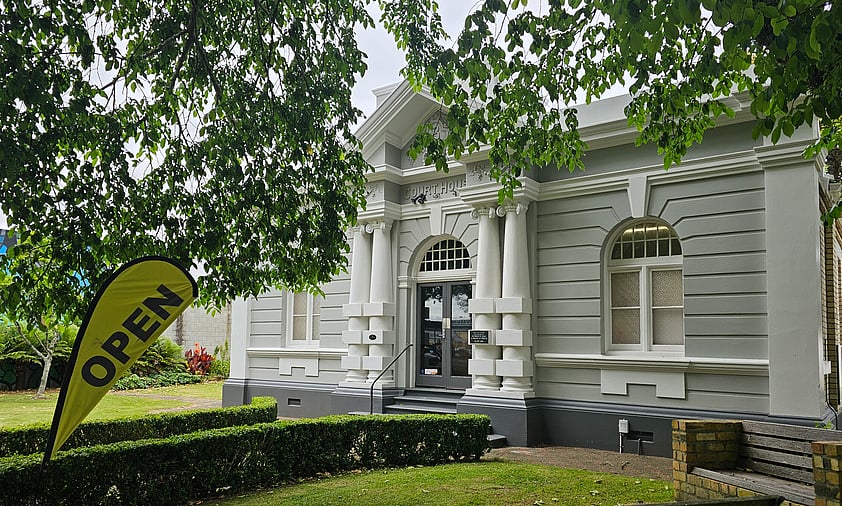
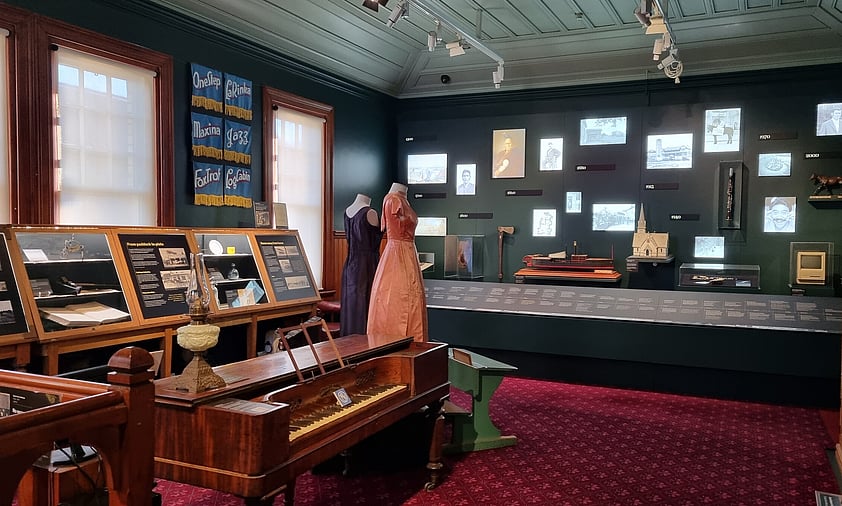
Located in the beautifully restored former courthouse building, the museum brings together the threads of Māori heritage, military settlement, farming innovation, equine achievement, and community life.
Inside, you’ll find:
Early settler artefacts and photographs
Stories of the Waikato Militia
Exhibits on dairy farming and rural enterprise
Equine history displays celebrating world-class thoroughbreds
Rotating exhibitions capturing local stories and characters
It’s not just a museum, it’s a living archive of resilience, growth, and identity.
The wider Waipā district has long been recognised as one of New Zealand’s most productive agricultural regions.
From dairy to bloodstock, horticulture to innovation, the land continues to underpin economic strength — something you, as a champion of local economic development, will appreciate deeply.
Cambridge is a vibrant town in the heart of the Waikato, New Zealand, positioned within easy reach of Hamilton, Auckland, Tauranga and Rotorua.
Cambridge is proudly known as the Home of Champions, with a strong legacy in rowing, cycling, equestrian sport and high-performance training.
Set alongside the Waikato River and minutes from Lake Karāpiro, Cambridge offers access to rivers, lakes, cycling trails and outdoor adventure. Nearby Sanctuary Mountain Maungatautari provides a world-class ecological experience.
A walkable, tree-lined centre filled with boutique shopping, cafés, restaurants and locally owned businesses, offering relaxed charm with a strong sense of place.
A year-round calendar of sporting events, markets, arts and community celebrations supported by quality infrastructure and scenic surroundings.
Day visitors, weekend escapes, families, active travellers, event-goers and those seeking an authentic New Zealand town experience.
Today, Cambridge balances heritage with progress. Historic facades sit alongside boutique retailers, artisan cafés, and a vibrant events calendar.
The past is not preserved in isolation — it is woven into daily life.

CONTACT US
T. 07 823 3460
E. cambridge@cambridgechamber.co.nz
Level 1, Suite 6 National Hotel
47 Alpha Street, Cambridge 3434,